
The Estate
Bartholomew Family Vineyards
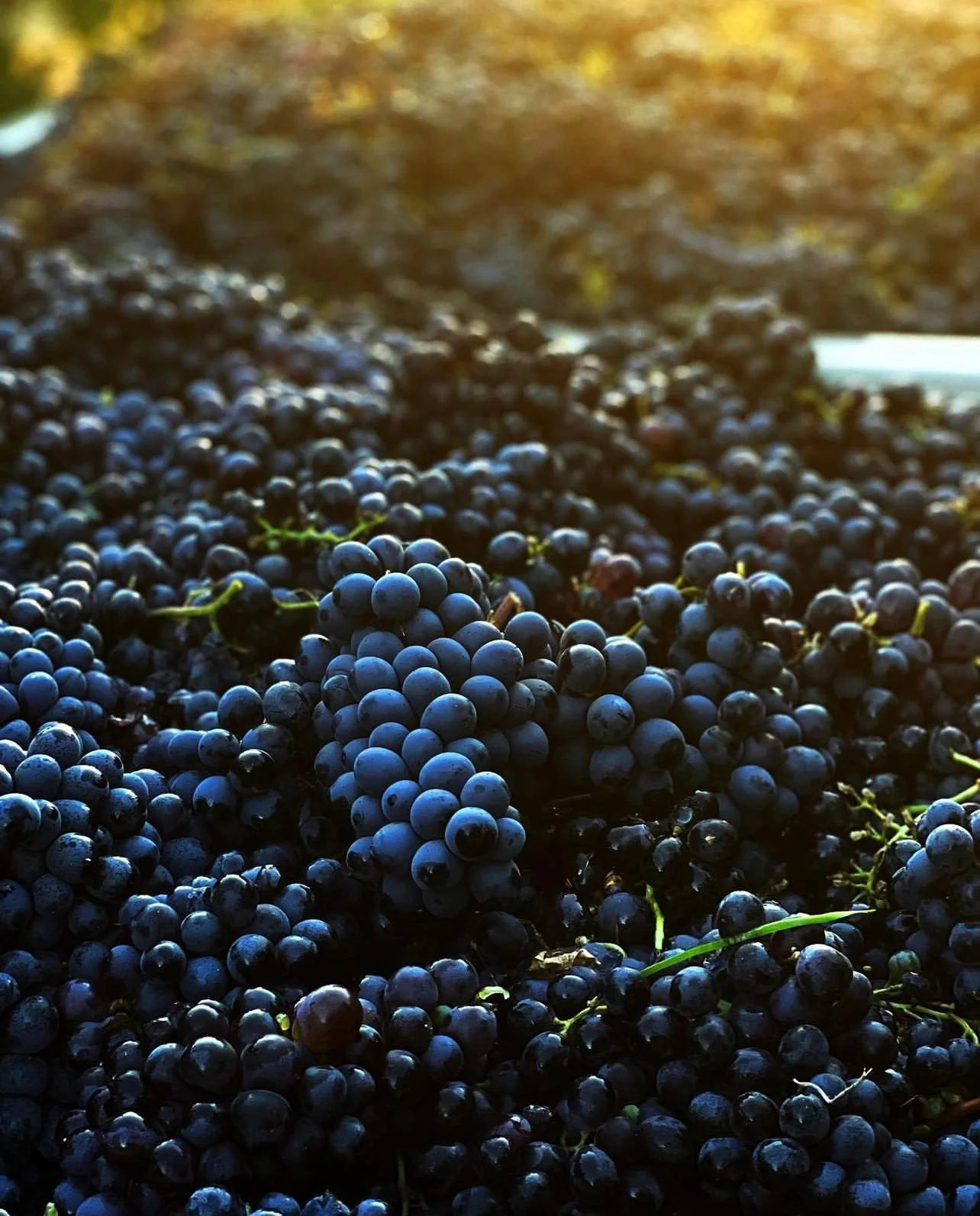
Located in the Alta Mesa AVA and serving as the heart of our winery and tasting room, Bartholomew Family Vineyards is absolutely central to everything we do. This is more than the site we call home, it is the lens through which our winemaking philosophy was formed and continues to evolve.
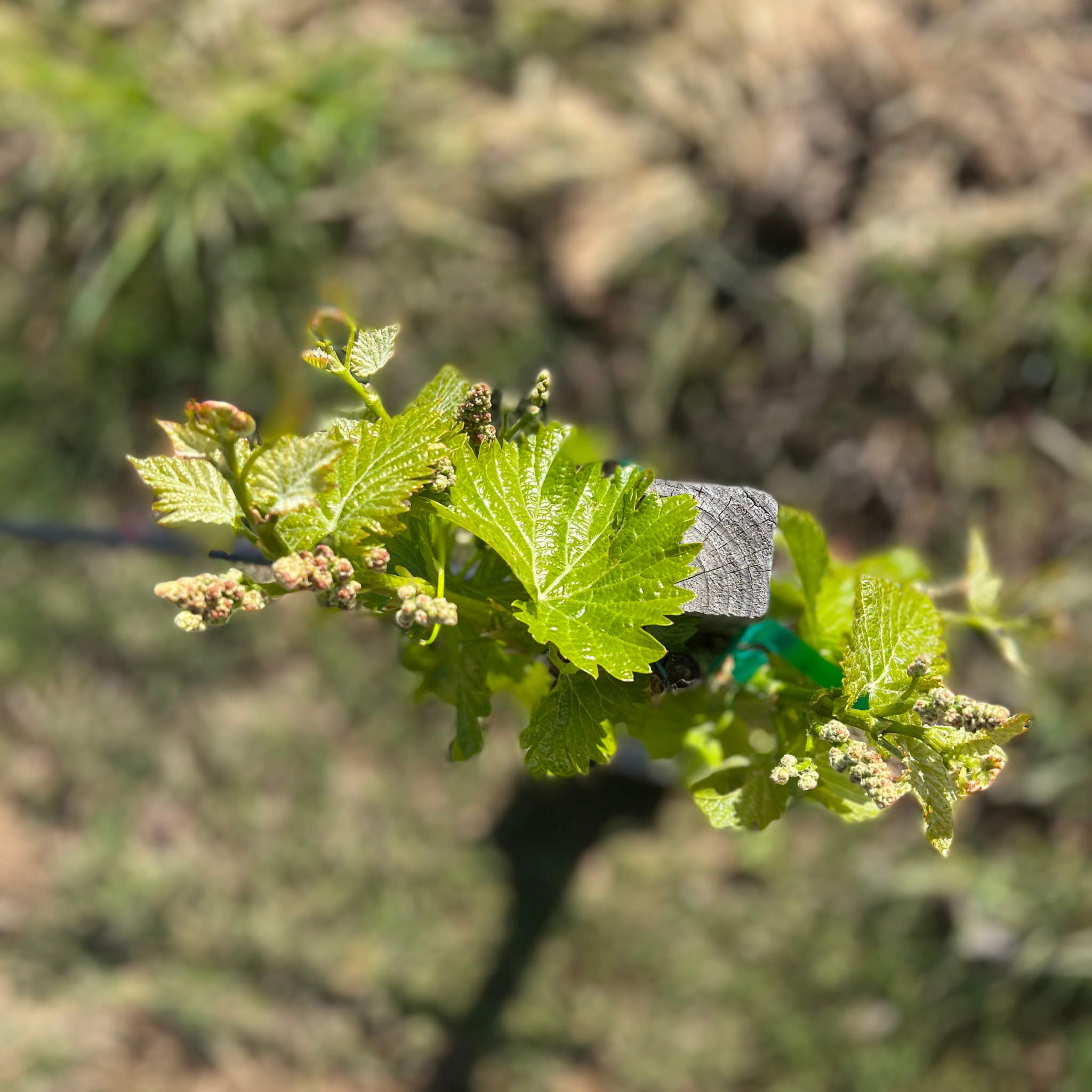
When we first opened, the vineyard was planted primarily to Bordeaux varieties. As our vision for Christopher Cellars became clearer, so did our belief that this site was capable of something more distinctive. The vineyard was thoughtfully replanted with Italian and Spanish varieties: Garnacha, Fiano, Tempranillo, Montepulciano, Teroldego, Sangiovese, and Barbera. These grapes are naturally suited to warm climates and capable of expressing nuance, balance, and authenticity in Lodi’s growing conditions.
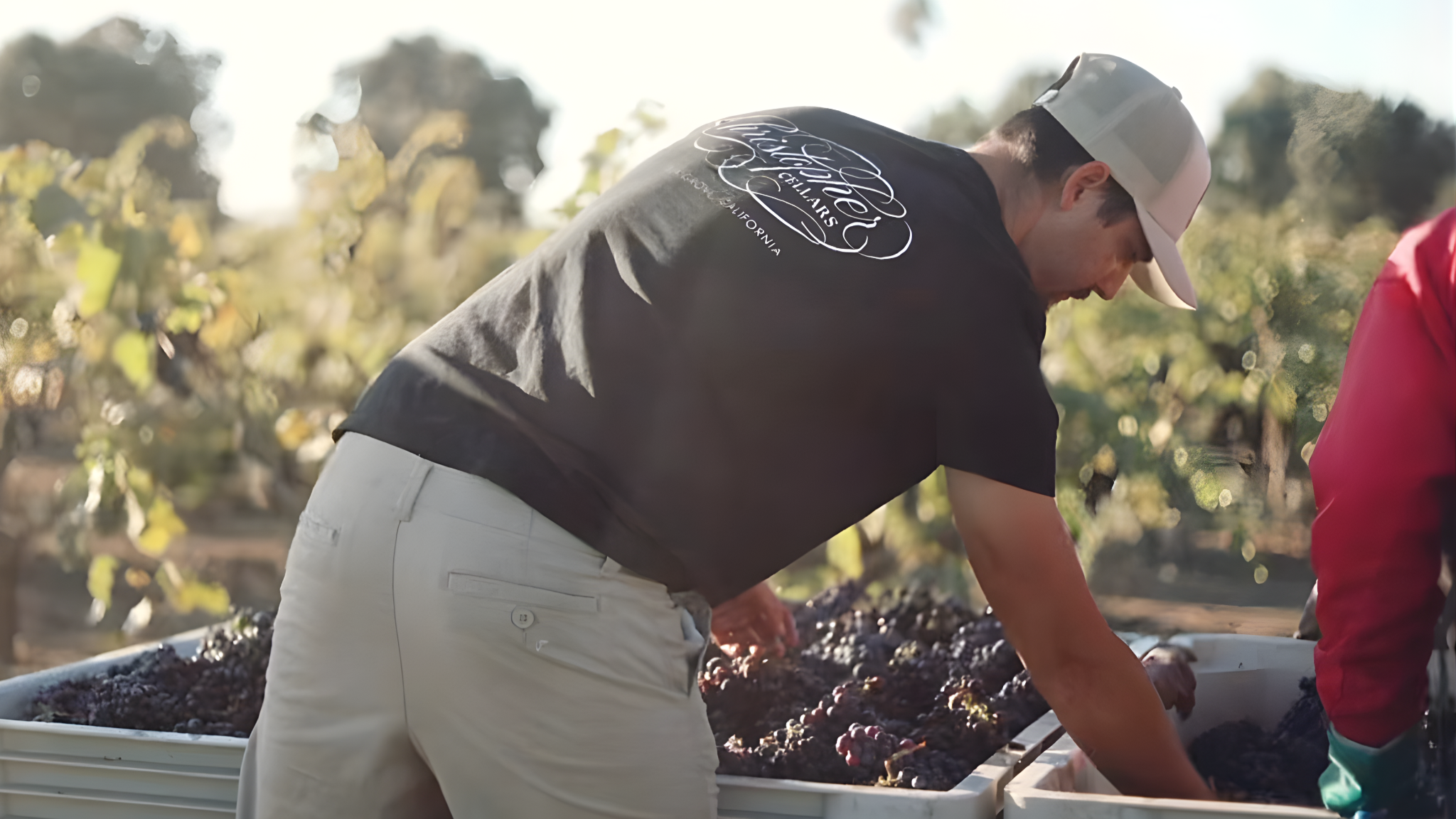
This philosophy doesn’t stop at our estate. The same respect and attention we give to Bartholomew Family Vineyards guides how we work with growers throughout Lodi and the surrounding regions. We collaborate closely with a small circle of farmers who share our values: sustainable practices, thoughtful farming, and a belief that great wine begins long before it reaches the cellar. Whether estate-grown or sourced, every vineyard we work with is approached with the same mindset—listen to the land, honor the fruit, and intervene only when necessary.
At Christopher Cellars, our winemaking philosophy centers on minimal intervention: letting the vineyard lead, preserving purity of fruit, and crafting wines that are both varietally true and regionally expressive. Bartholomew Family Vineyards is the foundation of that philosophy, a living example of what’s possible when farming, site, and intention are fully aligned.
While this isn’t a complete list of the vineyards we work with, the sites we feature here represent the growers and places that continue to inspire our craft, vintage after vintage.
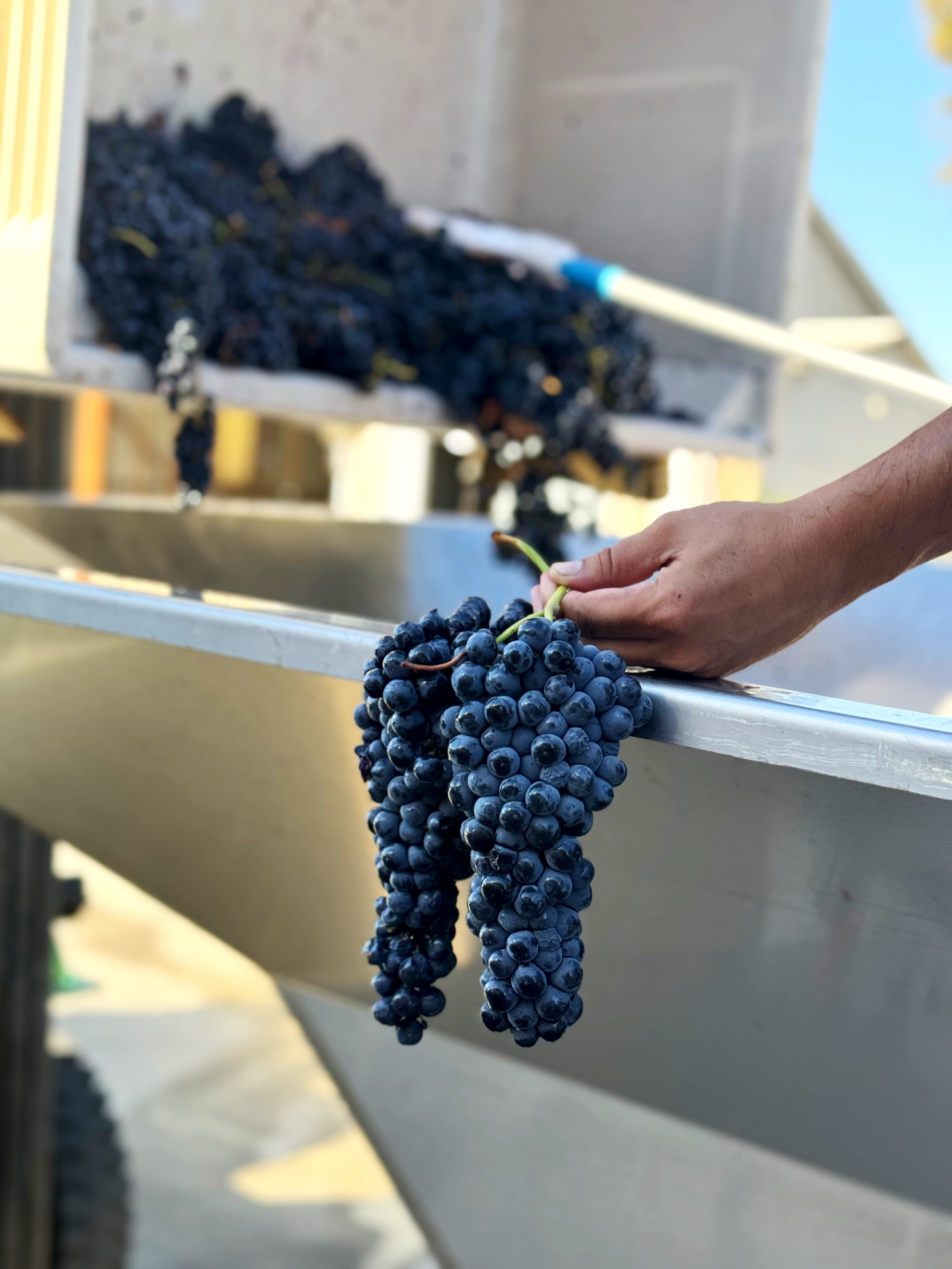
Every decision in the vineyard was intentional. Christopher personally selected each grape clone with the goal of producing smaller berry sizes, increasing the skin-to-juice ratio. Smaller berries mean greater concentration, deeper color, more complex aromatics, and naturally structured tannins, allowing us to build wines with intensity and depth without relying on heavy-handed winemaking techniques. This approach gives us fruit that is expressive on its own, preserving purity while creating wines that age gracefully.
All vines at Bartholomew Family Vineyards are head-trained, a traditional farming method that favors quality over quantity. Head training naturally limits yields, encourages even ripening, and allows each vine to regulate its own growth in response to the environment. In our dense clay soils, well-suited to moisture retention during Lodi’s hot summers, this method promotes vine balance, resilience, and consistency from vintage to vintage. The result is fruit with natural concentration, structure, and a true sense of place.
The vineyard is farmed organically, with no herbicides or pesticides, and cared for under our daily watch. Farming this land ourselves keeps us deeply connected to the vines, the seasons, and the subtle changes that define each harvest. We consider Bartholomew Family Vineyards our estate vineyard because it reflects our hands-on commitment, from pruning decisions to harvest timing, to let the site and the fruit tell their own story.
Cherryhouse Vineyard
Wine From this Vineyard:
Perched on the west side of Lodi in the Mokelumne River AVA, Cherryhouse Vineyard sits on deep, sandy-loam soils shaped by the historic flow of the Mokelumne River and cooled by afternoon Delta breezes. This well-drained, naturally low-vigour site produces exceptionally small berries, amplifying structure, intensity, and aromatic purity. Planted to old, head-trained Zinfandel vines, the vineyard is farmed sustainably with minimal intervention, a philosophy that has earned Cherryhouse recognition in the Slow Wine Guide for its thoughtful and environmentally conscious farming practices.
While many west-side Lodi Zinfandels lean into red-fruited brightness, Cherryhouse stands apart for its deeper, darker expression, showing black cherry, blackberry compote, and warm baking spice layered over the site’s signature minerality and natural lift. The combination of vine age, small cluster and berry size, and the Perlegos brothers’ meticulous farming results in a wine that carries both weight and energy. For us, this vineyard represents the intersection of heritage farming, site transparency, and a style of Zinfandel that balances richness with restraint
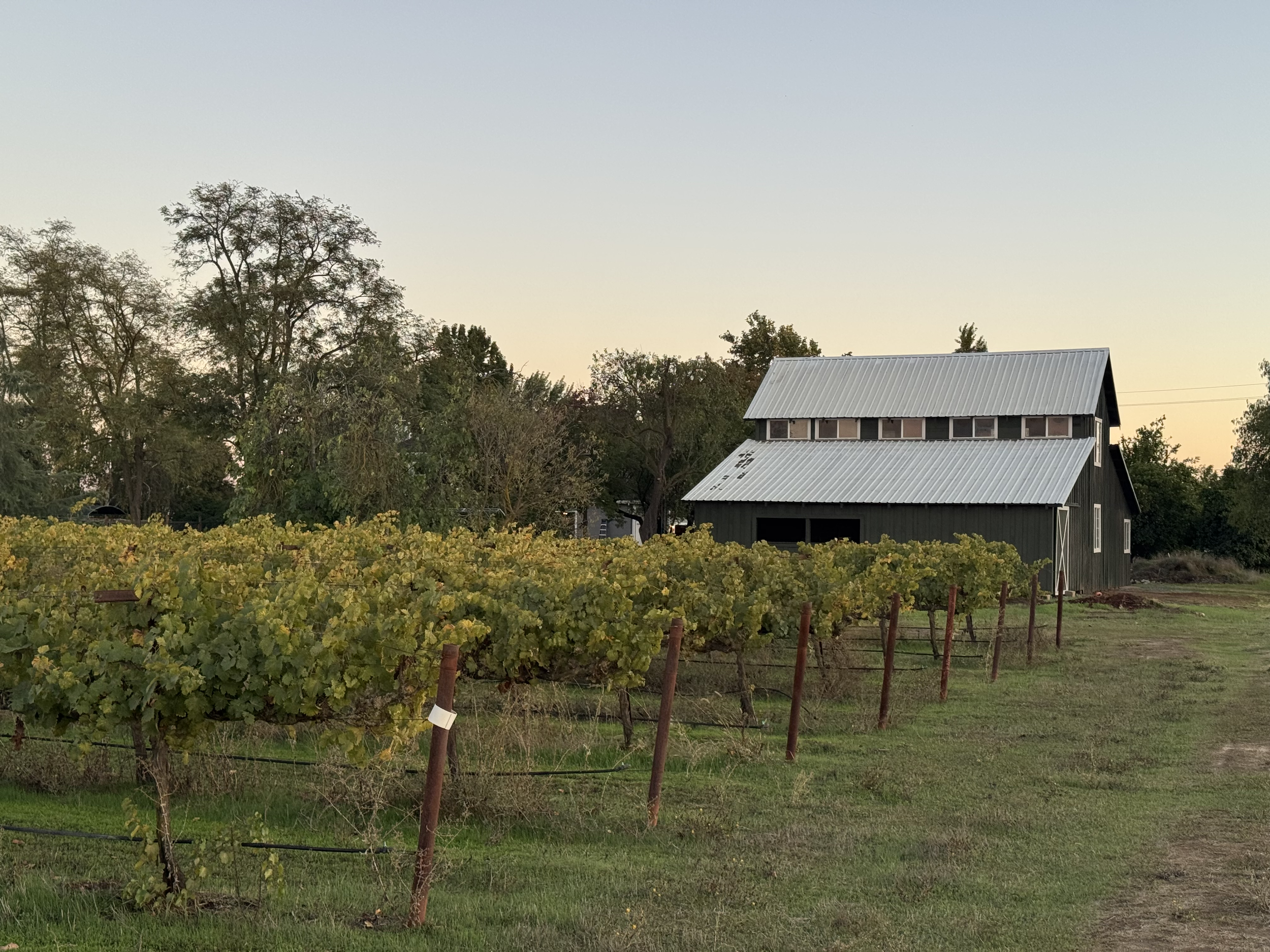
Fernow Ranch Vineyard
A number of lesser-known facts and farming features elevate Fernow:
The vineyard is no-till, meaning the soil surface is left undisturbed, which helps maintain soil structure, microbial life and water infiltration — key to healthy vines in Lodi’s hot, dry summers.
It sits in a breezy zone; despite being warm, the site receives cooling airflow from the nearby Delta and river corridor that moderates ripening and helps preserve natural acidity (see how this played out in the 2023 harvest at Fernow).
For the plantings like Nero d’Avola, Fernow demonstrates how Mediterranean grapes are very well suited to the Lodi climate — deep color, moderate alcohol, and structure without weight.
Because of its innovative variety selection, sustainable practices and precision farming, Fernow works with winemakers who highlight the site’s uniqueness. The soil + vines + farming come together to produce wines with crisp freshness, citrus-driven lift, saline whispers and mineral underpinnings, a perfect foil to our winemaking philosophy of clarity, site-expression and minimal intervention.
Fernow Ranch lies on Lodi’s quieter east side near the Mokelumne River corridor, where gravel-to sandy-loam soils allow grapes to ripen slowly, develop purity and retain tension. At this site you’ll find Mediterranean-varietal plantings like Picpoul Blanc, Fiano, Clairette Blanche, Vermentino, Mourvèdre, Nero d’Avola and Grenache — grapes uncommon in the region, and precisely the kind we love because they reflect both varietal personality and place. What makes Fernow special is how the soil and microclimate combine to foster long hang-times, crisp minerality and textural drive rather than overripe fruit.
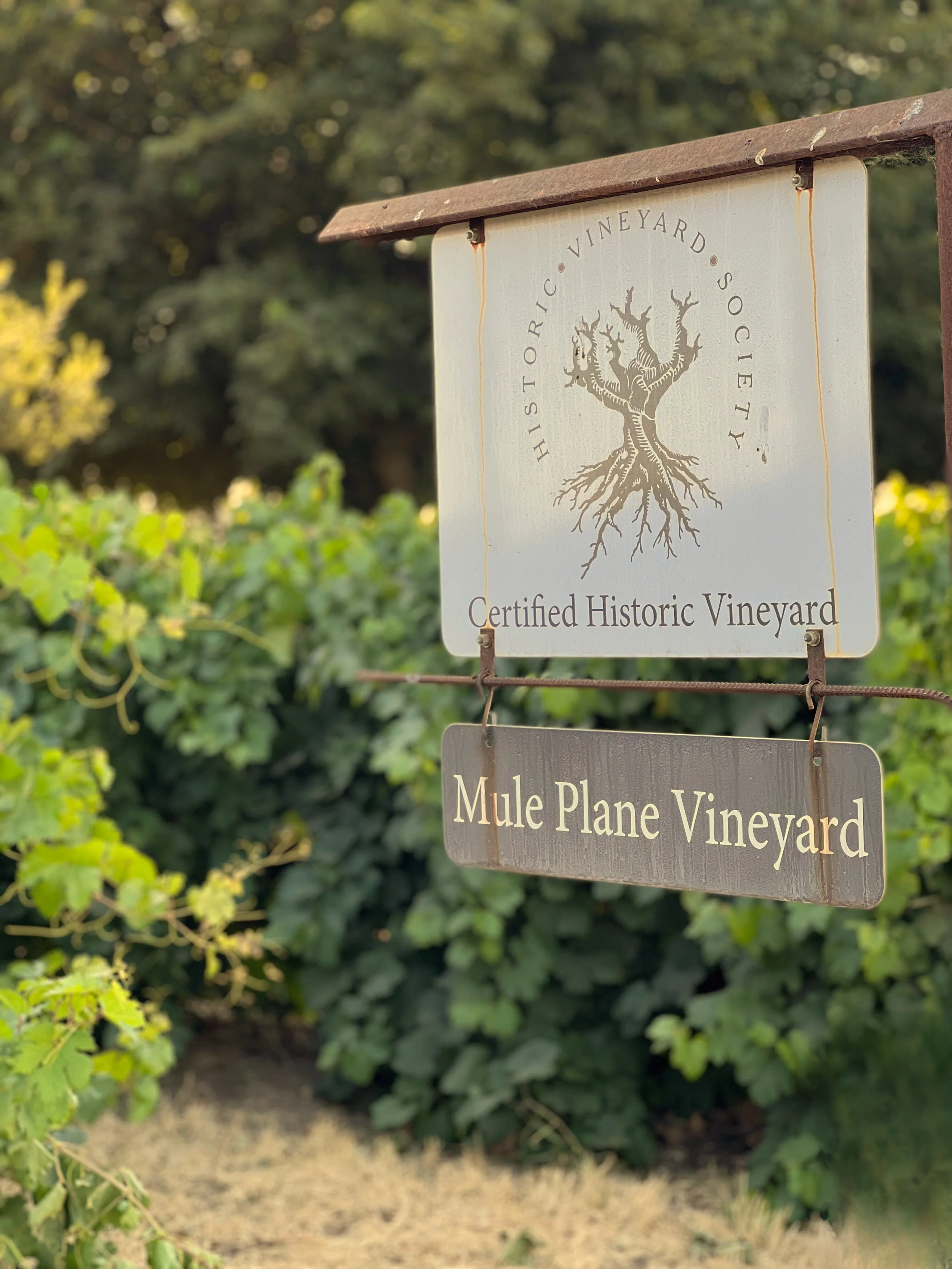
Mule Plane Vineyard
Wine From this Vineyard:
Carignan
Grand Cuvee
Mule Plane Vineyard is one of Lodi’s true treasures—a historic, own-rooted Carignane block planted between 1927 and 1930 by the Shinn family in the heart of the Mokelumne River AVA. It sits on classic Tokay fine sandy loam soils, less than a quarter-mile from the river’s influence, and carries the nickname “Mule Plane” because the land was originally leveled by mule and plow. These century-old vines are head-trained and spur- or cordon-pruned, standing six-feet tall in places and yielding very small, intensely flavored clusters from naturally low-vigour soil. Because the vines are own-rooted, old, and surrounded by ultra-well-drained sand, the fruit shows red-fruit energy, tension and finesse rather than heaviness.
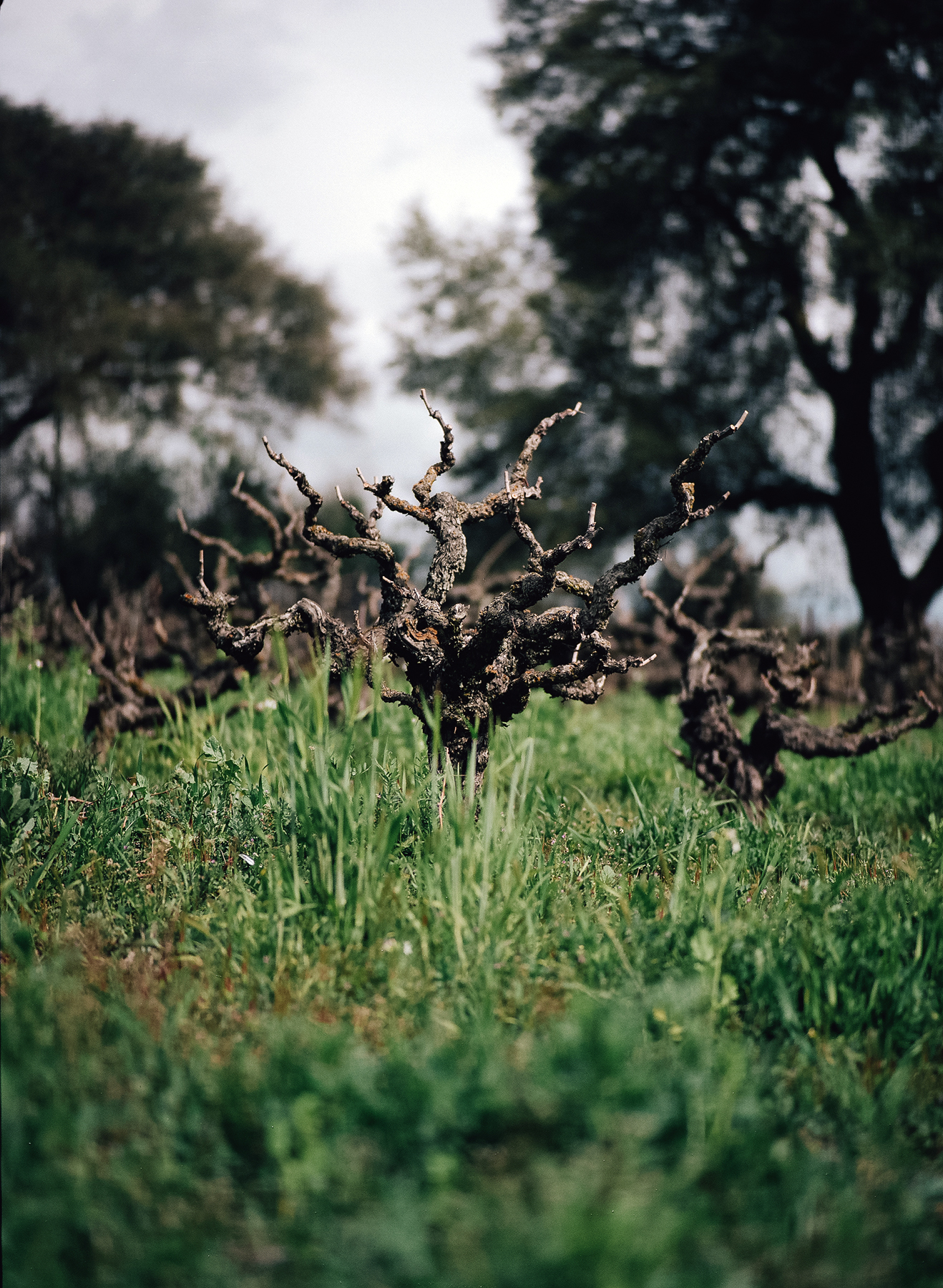
Stampede Vineyard
Wine From this Vineyard:
Planted in the 1920s, Stampede Vineyard sits in the village of Clements, about 25 miles northeast of Lodi where the valley gives way to the rolling Sierra Nevada foothills. Adjacent to the Clements Buckaroos Rodeo Grounds—home to California’s largest amateur rodeo—the vineyard takes its name from the famed “Clements Stampede.” Farmed by the Perlegos family, it remains dry-farmed and head-trained, preserving nearly a century of heritage viticulture. The vines are planted in a unique diamond pattern that allows soil tillage in multiple directions and gives each plant more room for root exploration—key for dry farming in these decomposed granite and sandy-loam soils. This layout, combined with the site’s foothill breezes, naturally limits vigor and yields small, intensely flavored clusters.
A true Zinfandel field blend, the vineyard includes roughly ten interplanted varieties—among them Mission, Grenache, Alicante Bouschet, Carignane, Syrah, and Tokay—adding layers of spice, color, and texture. The resulting wines carry dark fruit, savory complexity, and a touch of wildness that perfectly captures the character of this historic site and the enduring spirit of Lodi’s old-vine farming.
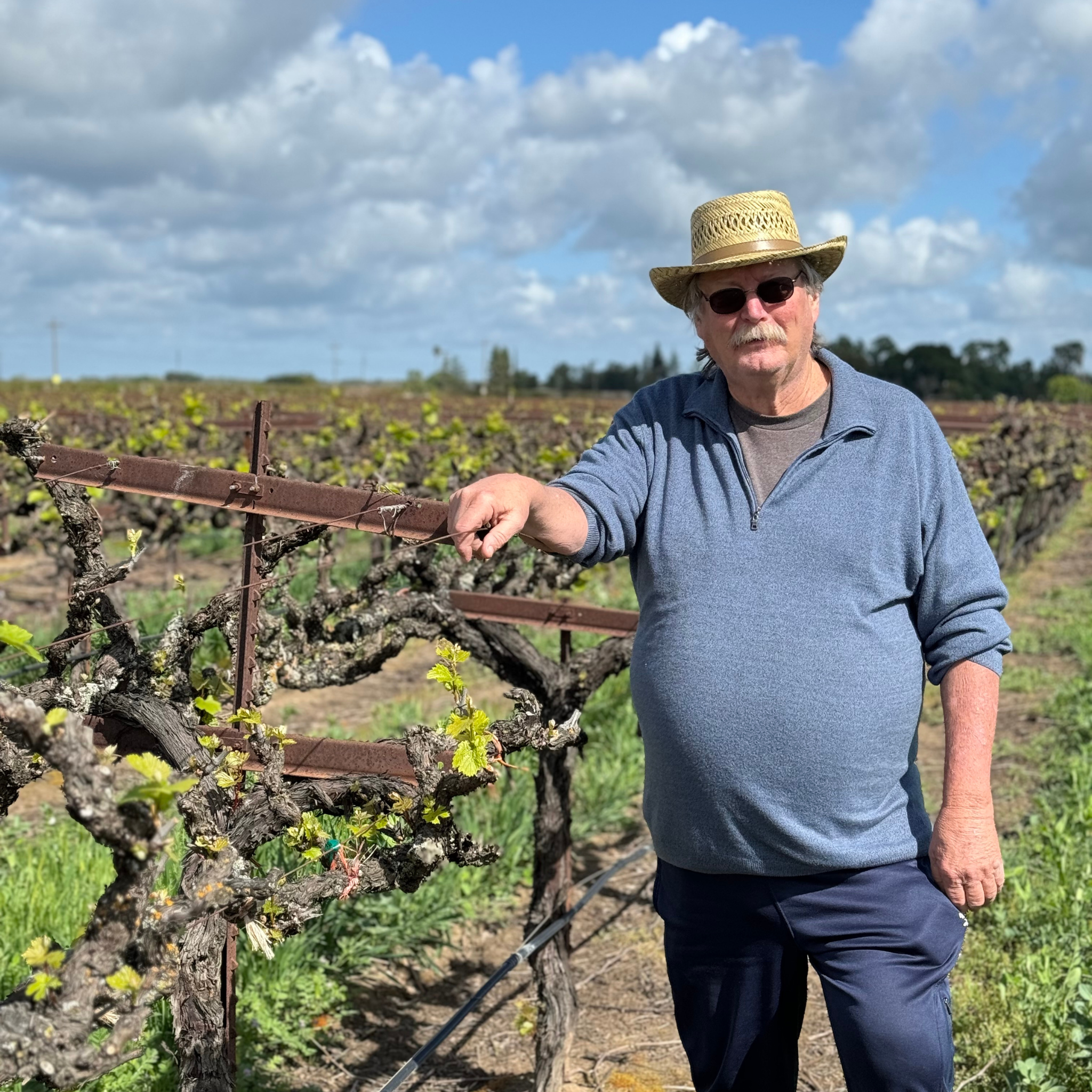
Shinn ranch vineyard
Wine From this Vineyard:
Shinn Ranch Vineyard, owned by Bill and Sharon Shinn, is one of the cornerstones of our white wine program and a site we return to year after year for Chardonnay because of its consistency, balance, and clarity of expression. Located in Lodi and farmed with an emphasis on vine health and thoughtful canopy management, the vineyard produces fruit that naturally carries both concentration and freshness, allowing us to work with the grapes gently and transparently in the cellar.
What makes Shinn Ranch particularly special for Chardonnay is its ability to retain acidity while still achieving full physiological ripeness. The site’s soils and growing conditions encourage even ripening, giving us fruit with vibrant citrus and stone fruit character without sacrificing tension or structure. This balance is what allows the wine to feel lively and energetic while still having weight and texture.
We intentionally harvest Shinn Ranch Chardonnay in multiple passes rather than a single pick. Early picks are brought in to preserve bright acidity, minerality, and lift, while later picks contribute depth, roundness, and a broader mid-palate. By fermenting and aging these lots separately, we’re able to layer complexity and build a more complete picture of the vineyard in the final blend. The result is a Chardonnay that shows nuance and dimension rather than a single snapshot of ripeness.
This approach aligns closely with our low-intervention philosophy. Shinn Ranch gives us fruit that doesn’t need manipulation to shine. Instead, we focus on capturing the vineyard’s natural range, letting each pick speak, and blending with intention to create a Chardonnay that is expressive, balanced, and unmistakably tied to its place.
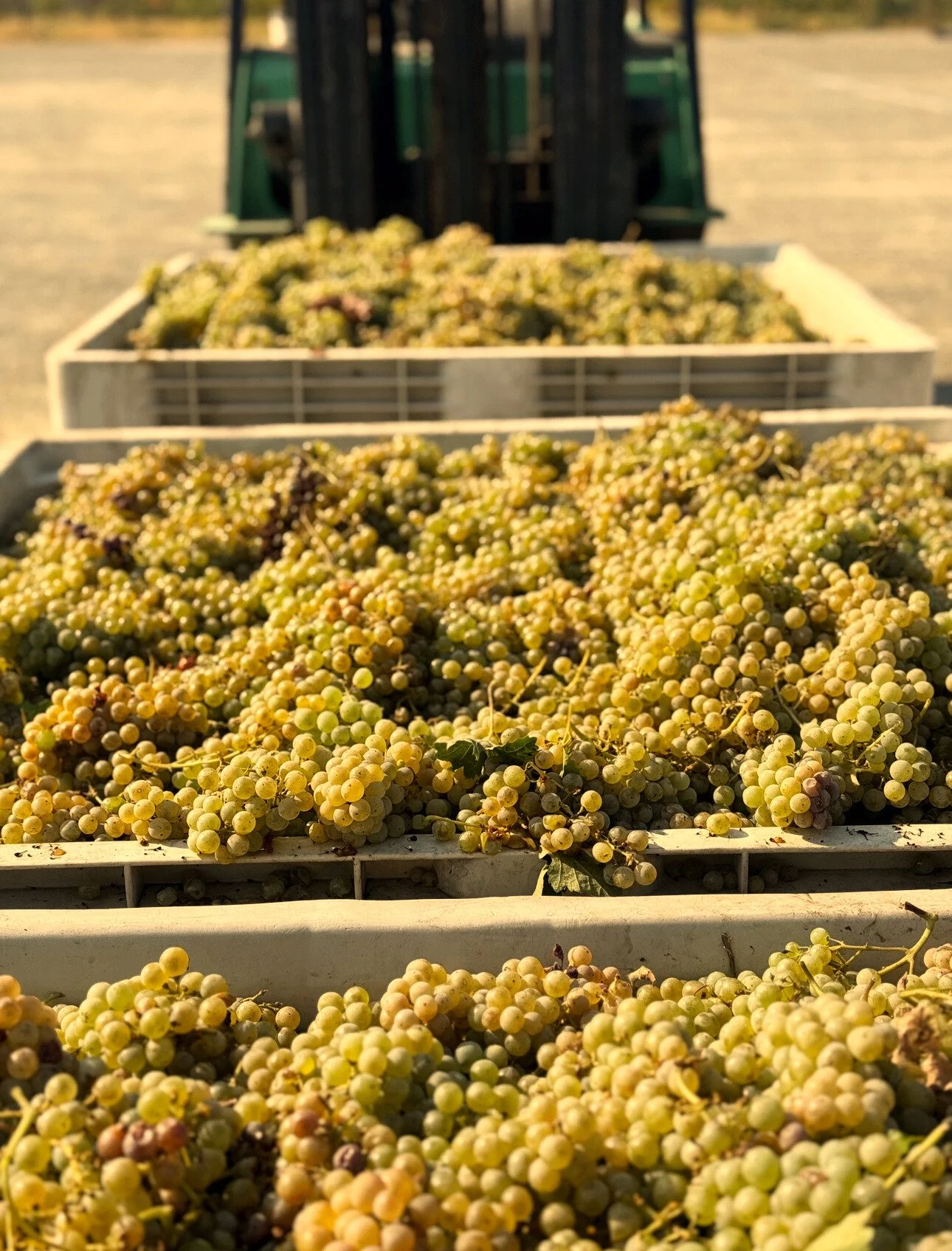
Mokelumne Glen vineyard
Wine From this Vineyard:
Bacchus
Kerner
Mokelumne Glen Vineyard is one of the most unique and influential sites in Lodi, celebrated for its extraordinary diversity of grape varieties and pioneering spirit. What started in the 1990s as an experimental planting of German and Austrian grapes has grown into one of the most unusual and productive collections of alternative varietals in California.
Nestled near the Mokelumne River on deep, sandy soils, the vineyard enjoys excellent drainage, ample sunshine, and a cooler microclimate—conditions that help preserve bright acidity and intense aromatics even in warmer vintages. This terroir has proven especially well-suited for aromatic white grapes like Grüner Veltliner, Bacchus, and Kerner, allowing them to express clarity, brisk natural acidity, and nuanced flavor profiles that are rarely found outside cooler New World regions.
From a once-experimental one-acre “German Collection” of over 50 rare varieties, Mokelumne Glen has grown into a 15-acre site producing fruit that’s in demand among small, quality-focused producers across California. Wines from grapes like Kerner and Bacchus have helped challenge conventional assumptions about what Lodi can grow, while Zweigeltshows a bright, nuanced red style in contrast to the region’s traditional Zinfandel identity.
Wine journalist Randy Caparoso has highlighted Mokelumne Glen’s role in introducing and promoting these lesser-known varieties, helping connect the vineyard with winemakers who are pushing the boundaries of California wine.
In short, Mokelumne Glen isn’t just a vineyard—it’s a living laboratory and catalyst for varietal diversity, producing grapes with vibrant aromatics, balanced acidity, and expressive character that elevate every wine we make from this extraordinary site.